How to Clean Stainless SteelWithout Scratches
Remove grit first, then wash stainless steel gently with mild dish soap and water on a clean soft microfiber cloth.
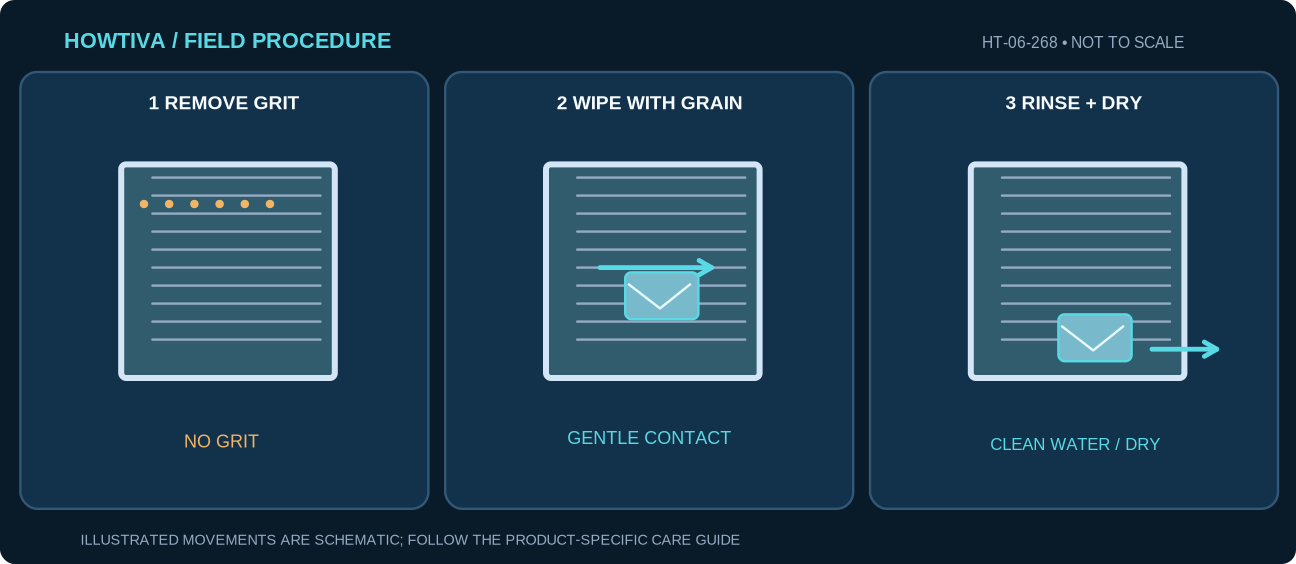
Quick answer: Remove grit first, then wash stainless steel gently with mild dish soap and water on a clean soft microfiber cloth. On a brushed finish, wipe with the visible grain rather than across it. Rinse away soap and dry immediately. Avoid steel wool, scrapers, bleach and harsh chlorides unless the product maker expressly approves a specialized treatment.
Applies to sound stainless-steel sinks, appliance panels and worktops with known finishes. Mirrors, colored PVD coatings, anti-fingerprint films and decorative electroplated metals may need more restrictive directions. A kitchen knife scratch or deep gouge cannot be cleaned away by scrubbing.
Before you begin: safety and materials
What you need:
- Soft clean microfiber cloths (at least two)
- Warm water and small amount of a compatible mild detergent
- Nonabrasive manufacturer-approved stainless cleaner if necessary
- Clean low-lint drying cloth and adequate daylight to see finish direction
Step-by-step instructions
Step 1: Identify the finish and inspect the damage
Find out whether the item is brushed stainless, polished, coated or printed. Look for the hairline grain direction if present. Brown specks can be iron particles from other metal utensils or water-borne debris—not proof that the entire stainless substrate rusted.
Step 2: Lift loose grit before wiping
Rinse a sink or wipe an appliance face with a damp clean cloth to remove grains that could act like sandpaper. Do not rub a gritty deposit back and forth; change cloths when particles accumulate. Keep water out of control panels and seams.
Step 3: Wash with mild soap and light pressure
Moisten a microfiber cloth with diluted mild soap and wipe in long, gentle passes along the brushed grain. On mirror-polished metal use soft circular or straight strokes as directed by the finish maker. Avoid rough sponge backs, iron wool, metal scouring pads and knives.
Step 4: Treat remaining water spots conservatively
Franke describes using a damp cloth and an approved sink cleaner or compatible cleaning cream for deposits on some sinks. Do not generalize vinegar or acid to coated appliances or neighboring stone. Try a small inconspicuous area only with a specifically compatible product.
Step 5: Rinse all cleaner and remove standing water
Wipe repeatedly with a separate cloth dampened with clean water until residue disappears. Soap film is not a protective finish. Check corners and faucet bases where water lingers, without forcing the cloth beneath seals.
Step 6: Dry in the grain direction and inspect
Dry immediately with clean microfiber, making light passes along the grain. Recheck in angled daylight. If a mark does not move after gentle cleaning, it may be an etch, scratch, corrosion pit or coating failure rather than surface dirt; stop escalating abrasion.
Practical examples: when the procedure changes
A stainless sink has small brown spots
Franke explains that iron particles from pipes or wire objects can leave rust-colored deposits. Try the sink maker’s approved cleaning method, and inspect upstream debris if recurring.
A black stainless refrigerator shows streaks
Many appliances use coatings rather than bare stainless steel. Follow that refrigerator’s care guide and do not apply polishing pastes simply because the marketing name includes steel.
Troubleshooting: what can go wrong
There are long wipe marks after drying: Repeat the clean water wipe and dry with the brushed grain using a fresh cloth; excess product can streak.
A cleaner left a dull patch: Stop using it; the coating or polish may be altered and requires manufacturer assessment.
Tiny rust-like spots return: Look for external iron contamination and wet metal objects, not repeated increasingly harsh acids.
Fine scratches show in light: Do not attempt power buffing or sanding on a finished appliance; ask whether a maker repair method exists.
Alternatives, materials and model differences
Approved products differ even among a brand’s stainless collections. Franke allows compatible sink-cleaning products on its bare sinks but cautions against steel wool and aggressive chemicals. On electronics or anti-fingerprint finishes, plain damp microfiber may be the only approved intervention.
Stop conditions and when to request qualified help
Stop on deep corrosion, swelling behind an appliance panel, a damaged coating, cleaner contacting live electrical controls or any proposal to use bleach, hydrochloric acid, metal scraping or abrasive polishing on an unknown finish.
Frequently asked questions
Should I wipe across the grain to get it cleaner?
No for common brushed finishes: use gentle passes along the grain to avoid conspicuous cross-scratches.
Can I clean stainless with undiluted vinegar?
Not universally. Some maker-approved sink treatments use acids, but bleach/chlorides/acids can damage other finishes or adjacent stone; consult the specific product directions.
Sources & further reading
-
American Cleaning Institute: Home Cleaning Problems and Solutions
Use the checklists as you go, and confirm the result before moving on to a more involved repair.